







Seu próximo nível começa aqui
Seu desenvolvimento não pode ter limites. Garanta sua Assinatura Ilimitada e libere uma preparação completa com os melhores professores do Brasil.

The poem 'Whatif' by Shel Silverstein was first published in his poetry collection entitled “A Light in the Attic”. Read it to answer questions 49 and 50.
Whatif
By Shel Silverstein
Last night, while I lay thinking here,
Some Whatifs crawled inside my ear
And pranced and partied all night long
And sang their same old Whatif song:
Whatif I'm dumb in school?
Whatif they've closed the swimming pool?
Whatif I get beat up?
Whatif there's poison in my cup?
Whatif I start to cry?
Whatif I get sick and die?
Whatif I flunk that test?
Whatif green hair grows on my chest?
Whatif nobody likes me?
Whatif a bolt of lightning strikes me?
Whatif I don't grow taller?
Whatif my head starts getting smaller?
Whatif the fish won't bite?
Whatif the wind tears up my kite?
Whatif they start a war?
Whatif my parents get divorced?
Whatif the bus is late?
Whatif my teeth don't grow in straight?
Whatif I tear my pants?
Whatif I never learn to dance?
Everything seems well, and then
The nighttime Whatifs strike again!
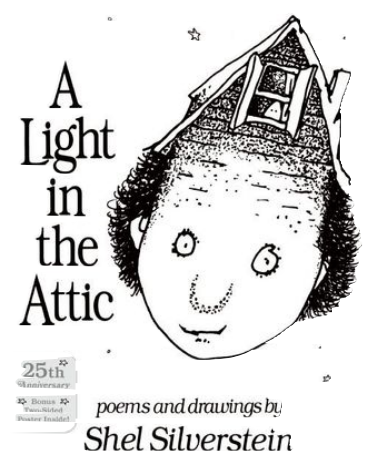
Disponível em: <https://genius.com/Shel-silverstein-whatif-annotated> Acesso em: 04 mar. 2020.
In terms of the linguistic aspects and text comprehension, which alternative corresponds to the text?