





Seu próximo nível começa aqui
Seu desenvolvimento não pode ter limites. Garanta sua Assinatura Ilimitada e libere uma preparação completa com os melhores professores do Brasil.
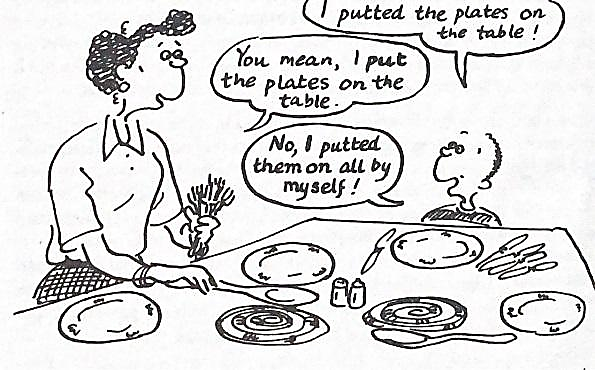
Observe the images below.
Image A
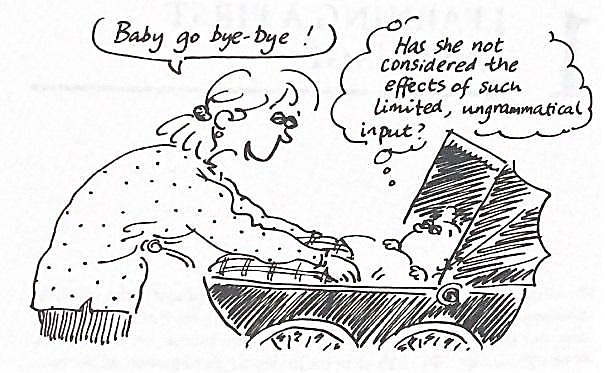
Image B
LIGHTBOWN, P. M.; SPADA, N. How languages are learned. Hong Kong: Oxford University Press, 1993, p. 2; p. 14.
The cartoons refer to two different theoretical views regarding language acquisition/learning that serve as the base for some well-known methods of language teaching. Comparing both images, what can be affirmed about these two theories?
One theory emphasizes that language learning is purely a matter of imitation and habit formation, while the other focuses on the interplay between a child’s innate abilities and the linguistic environment.
One theory suggests that language learning is driven by innate linguistic capabilities with little influence from the environment, while the other posits that language learning is based on imitation and reinforcement.
One theory highlights the importance of exposure to a variety of linguistic inputs without reinforcement, while the other stresses the necessity of positive reinforcement and imitation.
One theory claims that language development is a result of complex interactions between human characteristics and a modified linguistic environment, while the other asserts that language learning relies on a child's natural abilities.