








Seu próximo nível começa aqui
Seu desenvolvimento não pode ter limites. Garanta sua Assinatura Ilimitada e libere uma preparação completa com os melhores professores do Brasil.

Text 1 (for questions 36, 37, 38, 39, and 40)

cup of tea solves everything
Next to water, we consume more tea than any other drink in the world. And despite the popularity of Starbucks, coffee doesn't even come close.
In the UK we drink a staggering 165 million cups of tea every day. Coffee manages just 70 million cups.
Tea Council spokesman Bill Gorman says: "Over the past 30 years, tea lost ground to cold drinks like water and juices but now it's enjoying a renaissance.
"Tea used to be seen as a comfort, something you did automatically, but now we are all trying to create a better balance in our diet, tea is enjoying a revival."
And no wonder - it's low in caffeine, virtually calorie-free when drunk black and is now being recognised for its therapeutic qualities.
"It's a good source of antioxidants," adds Bill, "and studies show that if you regularly drink tea, it can lower cholesterol, keep your heart healthy and inhibit the growth of certain cancers."
So put the kettle on and continue reading...
(…)
By
Mirror.co.uk
Disponível em: https://www.mirror.co.uk/news/real-life-stories/a-cup-of-tea-solves-everything-505302. Acesso em jan. 2024. Texto adaptado.
O phrasal verb “put on” é usado no último parágrafo do texto. Considerando seus significados e usos possíveis, esse verbo NÃO deve ser empregado em apenas uma das situações abaixo.
Assinale-a.
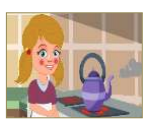
Let me ……. the kettle…….

I ………… …… my hands very often.

I usually …… …… my coat before leaving.

I just ……. …… my glasses.
I can see better now.

Leo likes to ……. the radio …… and relax a little.